Sale!

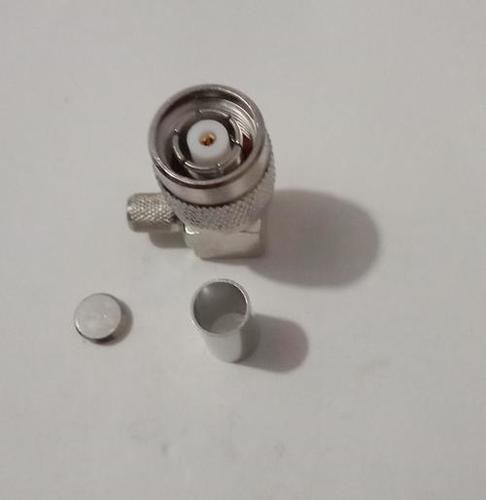
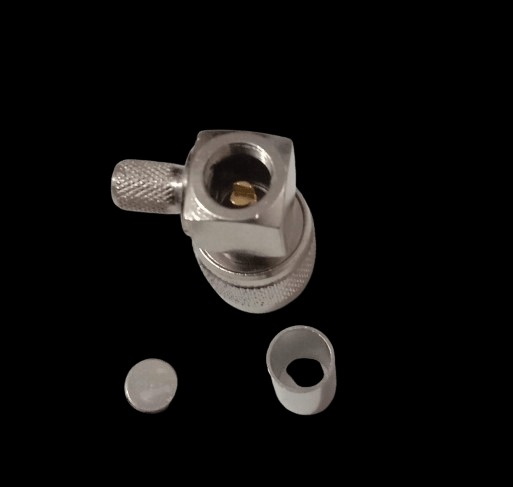
TNC M RA RP LMR 240 CRIMP

115

  • Prepare the Cable:
    Strip the Cable: Use a coaxial cable stripper to remove approximately 1.5 to 2 inches (38 to 50 mm) of the outer insulation from the LMR-240 cable. Be cautious not to damage the underlying braided shield.
    Expose the Shielding: Fold back the braided shield (or foil shield) over the outer insulation.
    Trim the Dielectric: Carefully trim the dielectric (foam or insulating layer around the center conductor) so that about 1/4 inch (6 mm) of the center conductor is exposed.
  • Prepare the Connector:
    Check Connector Components: The TNC male right-angle RP connector typically includes a crimp ferrule, crimp pin, and the connector body.
    Verify Compatibility: Ensure that the TNC connector is designed to fit LMR-240 cable.
  • Insert the Crimp Pin:
    Crimp Pin: Slide the crimp pin onto the exposed center conductor. Ensure that the pin is properly aligned and makes solid contact with the conductor.
    Crimp the Pin: Use the crimping tool to crimp the pin onto the center conductor. The crimping tool will compress the pin around the conductor, forming a secure connection.
  • Attach the Connector:
    Crimp Ferrule: Slide the crimp ferrule (a metal sleeve) over the folded-back shielding and onto the connector body. Ensure it is properly aligned with the connector body.
    Insert the Cable: Push the cable (with the crimped pin) into the TNC male right-angle RP connector until it is fully seated.
    Crimp the Ferrule: Use the crimping tool to crimp the ferrule onto the shield and connector body. This step ensures that the shield is securely connected to the connector and provides a good ground connection.
  • Inspect the Connection:
    – Check the connector to ensure it is firmly attached and there are no visible gaps or loose parts.
    – Verify that the cable is fully seated in the connector and that there are no exposed wires or shorts.
  • Test the Connection:
    – If possible, use a network analyzer or similar testing device to check the cable and connector assembly for proper functionality and signal integrity.
  • Additional Tips:
    Use the Correct Tools: Make sure your crimping tool is specifically designed for TNC connectors and is in good working condition.
    Accurate Stripping: Be precise with cable stripping to avoid issues with the crimping process. Stripping too much or too little of the cable can affect the crimp quality.
    Practice: If you’re new to crimping, practice on spare cables and connectors to improve your technique.

The TNC Male Right Angle Reverse Polarity LMR 240 Crimp connector is designed for use with LMR 240 coaxial cables. It features a reverse polarity configuration and a right-angle design, ideal for space-constrained installations. The crimp attachment method ensures a secure and reliable connection, supporting RF applications up to 11 GHz. This connector is suitable for telecommunications and other high-frequency environments where reverse polarity is required.

Crimping a TNC male right-angle reverse-polarity (RP) connector onto LMR-240 coaxial cable involves careful preparation and execution. Here’s a detailed guide to help you through the process:

Tools and Materials:
– TNC Male Right-Angle RP Connector (suitable for LMR-240 cable)
– LMR-240 Coaxial Cable
– Crimping Tool (appropriate for TNC connectors)
– Cable Stripper (for coaxial cables)
– Cutting Tool (for trimming the cable and connector)
– Soldering Iron (if the connector design requires soldering in addition to crimping)
– Soldering Flux (optional, for better soldering results)
Weight 0.1 kg

Reviews

There are no reviews yet.

Be the first to review “TNC M RA RP LMR 240 CRIMP”

Your email address will not be published. Required fields are marked *

Shopping Cart