View cart “N Male Connector for LMR 400 Coaxial Cable – Crimping Connector (Pack Of 4)” has been added to your cart.
Sale!
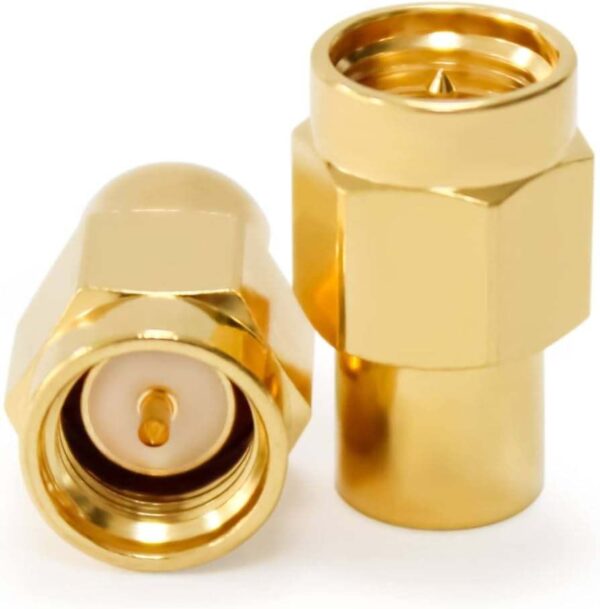
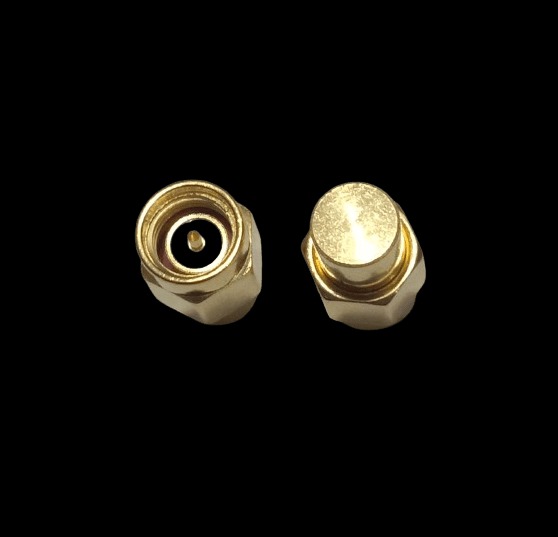
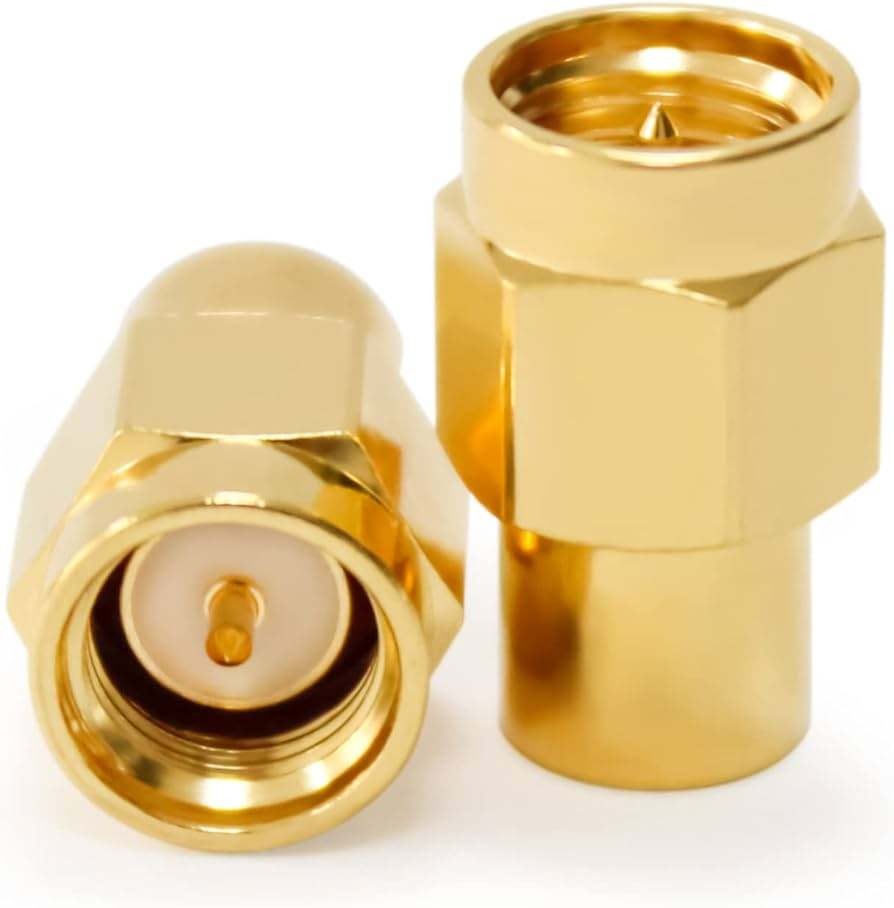
0.5 W SMA M DUMMY LOAD 3GHZ
₹399₹349
Power Rating: 0.5 W (500 milliwatts)
The maximum power the dummy load can handle without overheating or damage. Connector Type: SMA Male
The connector type is SMA (SubMiniature version A) with a male configuration. SMA connectors are widely used in RF applications due to their high-frequency performance and compact size. Frequency Range: Up to 3 GHz
The dummy load is designed to be effective up to 3 gigahertz. It maintains its performance and impedance characteristics within this frequency range. Impedance: 50 ohms
Standard impedance for most RF applications, ensuring compatibility with most RF equipment and transmitters. VSWR (Voltage Standing Wave Ratio): Typically < 1.3:1
A measure of how well the dummy load matches the impedance of the system. A lower VSWR indicates better performance. Body Material: Often aluminum or stainless steel
Provides durability and effective heat dissipation. Thermal Management: Heat sink or heatsink fins
Enhances the ability to dissipate heat generated by absorbing RF power. Dimensions: Varies by model
Compact design to fit various setups. Common dimensions are approximately 1.5 to 2 inches in length and 0.5 to 1 inch in diameter. Weight: Lightweight, typically 1 to 2 ounces
Facilitates easy handling and integration into test setups. Connector Finish: Gold-plated or nickel-plated
Ensures good conductivity and resistance to corrosion.
Usage Testing and Calibration: Used to verify the performance of RF transmitters, receivers, and other equipment. Maintenance: Helps in diagnosing and troubleshooting RF systems. Measurement: Provides a consistent load for accurate power measurements.
Notes
Ensure that the dummy load is used within its rated power and frequency specifications to prevent overheating or damage.
Proper ventilation or cooling may be required during prolonged testing to maintain optimal performance.
This 0.5 W dummy load is ideal for low-power RF applications, operating at frequencies up to 3 GHz. It features an SMA male connector, which ensures secure connections and excellent impedance matching. Commonly used in laboratory environments for testing and termination purposes. |
Weight
0.1 kg
Reviews
There are no reviews yet.
Be the first to review “0.5 W SMA M DUMMY LOAD 3GHZ” Cancel reply


Reviews
There are no reviews yet.