
Frequency Range
-
Operates across 403 – 470 MHz UHF band — wide enough to cover many standard radio communication channels without tuning.
📈 Bandwidth
-
The continuous 67 MHz bandwidth supports multiple channels within the 403–470 MHz range, making it suitable for multi-channel systems.
📡 Polarization
-
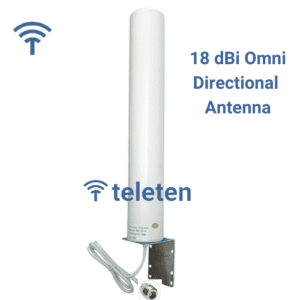
Vertical polarization: most radio systems in this band use vertical antennas for efficient propagation and compatibility.
🔄 VSWR (Voltage Standing Wave Ratio)
-
A low VSWR — typically less than 1.5:1 — means minimal reflected power and efficient use of transmitted energy, which improves performance and reduces interference.
🪶 Gain
-
Gain values vary by design:
-
Some bunker antennas have 0 dBi gain — ideal for stable omni coverage without focusing energy.
-
Other models (e.g., collinear designs) can provide higher gain (~12 dBi) to extend range and strengthen signal performance.
-
🔌 Connector Types
-
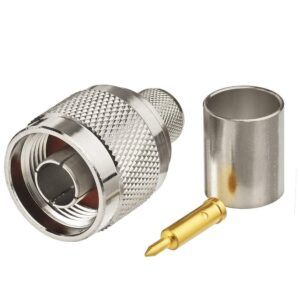
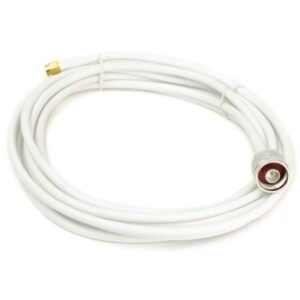
Often use N-Type or UHF connectors for durable outdoor connections to coax feed lines.
🛠 Physical & Environmental Features
-
Built solidly to withstand outdoor conditions — wind, rain, and temperature changes.
-
Some variants feature lightning protection / grounding to protect attached equipment from electrical surges.
Reviews
There are no reviews yet.