

- Connector Type:
- BT (British Telecommunications): Designed for use with BT network cables, which may include telephone and data cables.
- Cable Compatibility:
- BT Cables: Used with cables conforming to British Telecom standards, which could be twisted pair or other types used in telecommunications.
- Crimping Method:
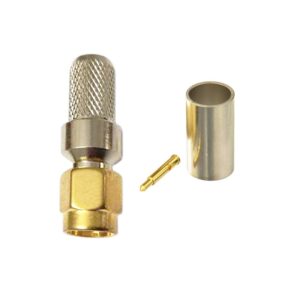
- Crimp: The connector attaches to the cable using a crimping tool. This involves compressing the connector’s metal sleeve onto the conductors of the cable to create a secure connection.
- Material:
- Body: Typically made of metal, such as brass or nickel-plated brass, for durability and reliable signal transmission.
- Contacts: Made from conductive materials like brass with plating (e.g., gold or nickel) for optimal conductivity.
- Impedance:
- Varies: The impedance may vary depending on the specific BT cable and connector type, but it should match the cable’s impedance to ensure proper signal integrity.
- Dimensions:
- Designed to fit the corresponding BT cables and to ensure a snug and secure fit.
- Usage:
- Applications: Used in telecommunications, including telephone lines and data connections in BT systems.
- Common Uses: Connecting telephone lines, network cables, or other communication systems in BT infrastructure.
- Installation:
- Tools Required: Crimping tool, wire stripper, and sometimes a cable cutter.
- Procedure: Strip the insulation from the cable, insert the conductors into the connector, and use a crimping tool to compress the connector onto the cable.
Advantages
- Reliable Connection: Provides a secure and stable connection suitable for telecommunications applications.
- Ease of Installation: Crimp connectors are generally easy to install with the correct tools, offering a straightforward method for cable termination.
Reviews
There are no reviews yet.