Design Concept:
Omnidirectional Radiation Pattern: This antenna radiates or receives signals equally well in all horizontal directions, making it suitable for applications where signal coverage in all directions is needed.
Broad Frequency Range: Covers a wide range from 700 MHz to 2700 MHz, including lower frequencies (e.g., UHF) and higher frequencies (e.g., GSM, LTE, and some Wi-Fi bands).
Key Features:
Gain:
12 dBi Gain: Provides a significant level of signal amplification. This gain improves signal reception and transmission over a larger area compared to antennas with lower gain.
Frequency Range:
700-2700 MHz: This broad frequency range covers a variety of communication standards, including cellular bands, Wi-Fi, and other wireless communication frequencies.
Omnidirectional Pattern:
360-Degree Coverage: Provides uniform coverage in the horizontal plane, ideal for environments where signals need to be distributed in all directions.
Construction:
Materials: Typically made from durable materials such as aluminum, fiberglass, or high-grade plastics, ensuring longevity and resistance to weather conditions.
Design Specifications:
Frequency Range:
700-2700 MHz: Ensure that the antenna is specifically designed to operate efficiently across this frequency range, covering both lower and higher bands.
Gain:
12 dBi Gain: Achieves a balance between high gain and broad coverage, making it suitable for both indoor and outdoor applications where signal enhancement is needed.
Size and Shape:
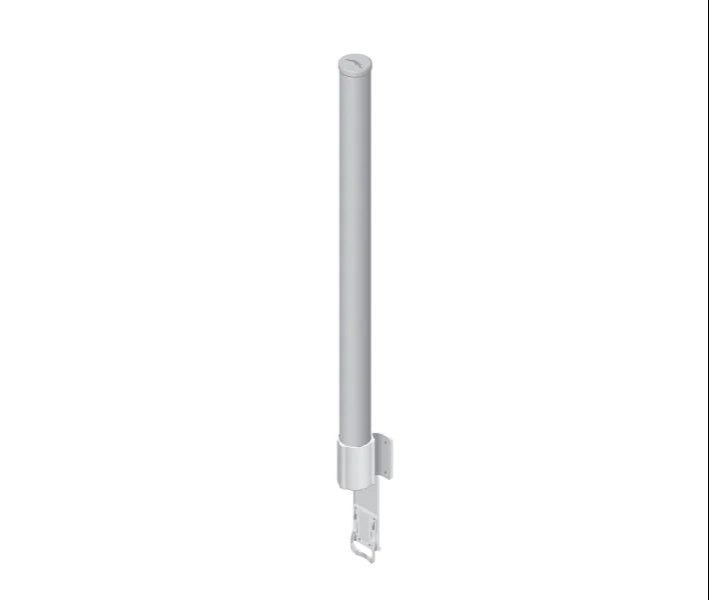
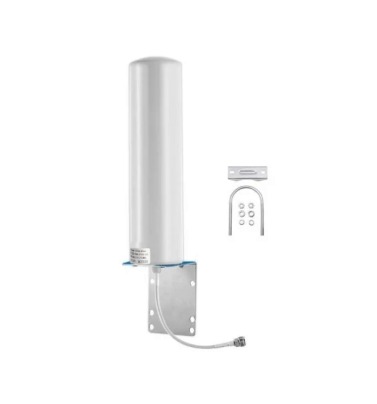
Vertical Structure: Often has a vertical design, such as a vertical dipole, collinear array, or a monopole, to achieve omnidirectional coverage.
Connector:
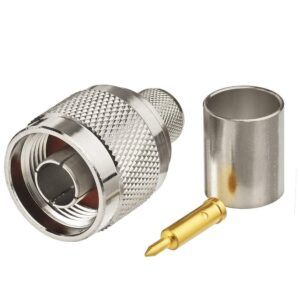
Type: May include various connector types like SMA, N-type, or TNC. Ensure compatibility with your equipment.
Construction and Installation:
Mounting:
Pole or Mast Mount: Designed to be mounted on a pole or mast. Includes mounting hardware for secure installation.
Height and Location: For optimal performance, install the antenna at a height and location where it can achieve the best 360-degree coverage without obstructions.
Alignment:
Vertical Orientation: Ensure that the antenna is mounted vertically to maintain its omnidirectional pattern and maximize coverage.
Connection:
Cable and Connector: Connect the antenna to your device using the appropriate cable and connector. Secure the connection to prevent signal loss and interference.
Testing:
Coverage and Signal Strength: After installation, test the antenna to ensure that it is providing the desired coverage and signal strength. Adjust the height or orientation if necessary.
Applications:
Cellular Networks: Suitable for cellular base stations or repeaters that need to provide coverage in all directions.
Wi-Fi Networks: Can be used to enhance the coverage of Wi-Fi networks, particularly in environments where uniform signal distribution is required.
Wireless Communication: Effective for various wireless communication systems, including public safety, industrial, and commercial applications.
General Broadcasting: Useful for broadcasting applications where coverage is needed in all directions.
Maintenance:
Regular Inspection: Check the antenna and its connections periodically for signs of wear, damage, or corrosion, especially if installed outdoors.
Cleaning: Keep the antenna clean to ensure optimal performance. Remove any debris or obstructions that could affect signal reception.
Considerations:
Interference: Be mindful of potential sources of interference that could affect the performance of the antenna.
Antenna Matching: Ensure that the antenna’s impedance matches your equipment to avoid signal loss and ensure efficient operation.

Reviews
There are no reviews yet.